Posts

How we will beat the virus

I am not a virologist nor do I have a medical education so the analysis underneath should be taken as an idea or a suggestion. I am a hobby-historian, follow news actively and I can take credit for the fact that I bought face-mask already in January. Then they were freely available, cost 0,1eur a piece and everybody thought that I have a paranoia when I bought them. So how we will beat the virus. It is actually quite straightforward. States, cities and families have always beat diseases in principally the same way: by raising the level of hygiene. Typhus and cholera was beaten by cleaning the water and building proper sewage systems. Washing hands, washing teeth, wearing underwear, vaccination, following strict rules in food production - all these measures have served us by eliminating the risk of getting one or more diseases. Mind you, some countries have not implemented these measures and thus bare the consequences: cholera in Haiti, hepatitis in India etc. With Covid-19 the situ...
How the coronavirus related quarantine will influence the economy

We have now been working from home for a little more than a week due to the coronavirus quarantine. Based on this first experience it is possible to make some predictions on how the situation will influence the economy in the near future. The results might look a bit scary, but the logic is quite straightforward. Very important thing to understand about how the economy works is the concept that "Your spending is someones income". Meaning that in the big picture money is not something physical, but an abstract concept - it is more like a measurement unit that measures value or work. Therefore saving money is different from saving something physical. If you save for example sugar then you will later have more sugar that you can then spend. If you save money then this is away from the overall process of economics and if you don't pay the others, then the others will not pay your salary. Now when we have the first real experience on remote working and living, we can look ...

The technical innovation that might help us avoid the climate crisis and extinction of species ....and this is not the usual stuff.

I have been following the climate crisis and other global threats to humankind since 2008. It has actually been quite depressing. If you remember then in 2008 the global threats that everybody was talking about were: - Peak Oil - Food crisis - Exponential growth of population - Global warming. The only one of those, that has been "solved" or actually postponed a little (by inventing economically viable fracking), is Peak Oil. Unfortunately, this postponing has made the problems of global warming and extinction of species now much worse.  Overall between 2008-2019 all indicators of global warming and the extinction of species have followed the pessimistic patterns. The situation is bad and becoming worse fast.  The fundamental problem why humans are not doing anything about reducing CO2 or methane emissions is, that doing so would conflict with (the perception of) how good our lives are. As for most of us, better lives mean more things and more travelling. So "be...

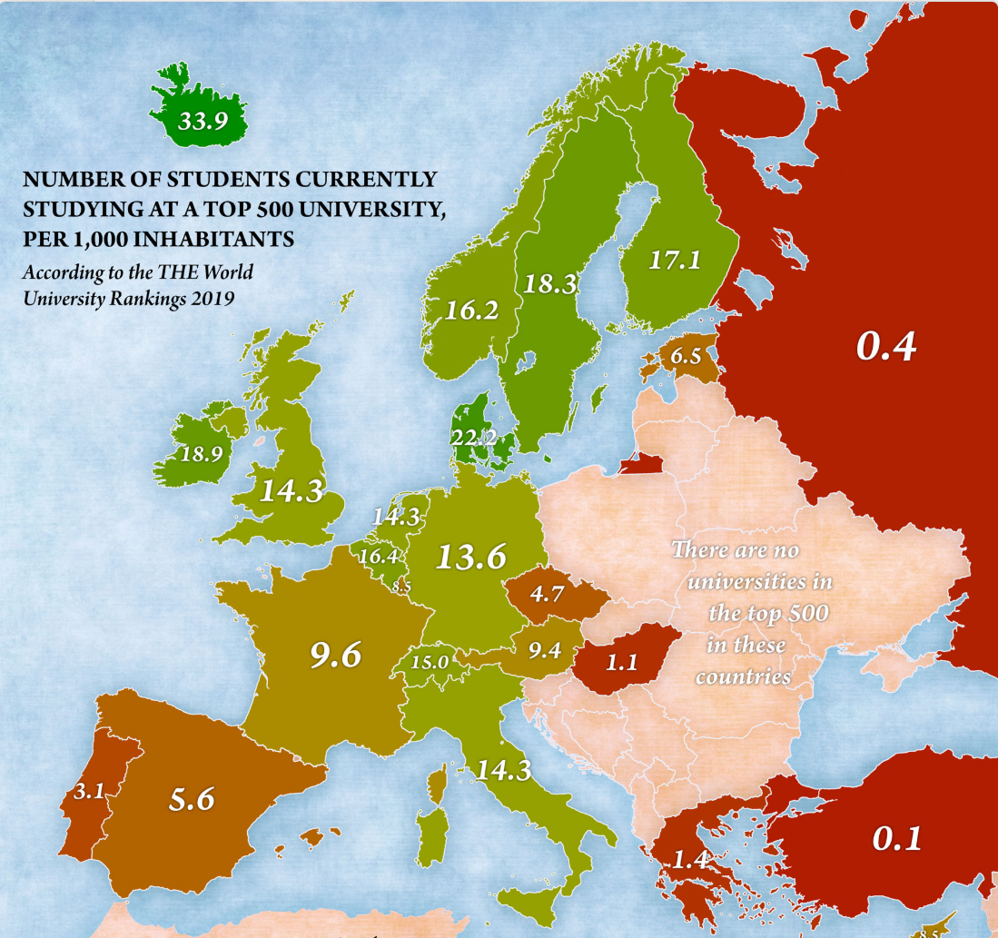
Is there a relation between good universities and average salaries?

Image
This map is courtesy to Jakub Marian and can be found here:  https://jakubmarian.com/number-of-top-ranked-universities-by-country-in-europe/ (You can also find many other interesting maps on jakubmarian.com!) The latest map from Wikipedia showing the average net salaries in European countries These two together in one graph: Good universities => higher salaries!

Last mile delivery revolution in Estonia

Image
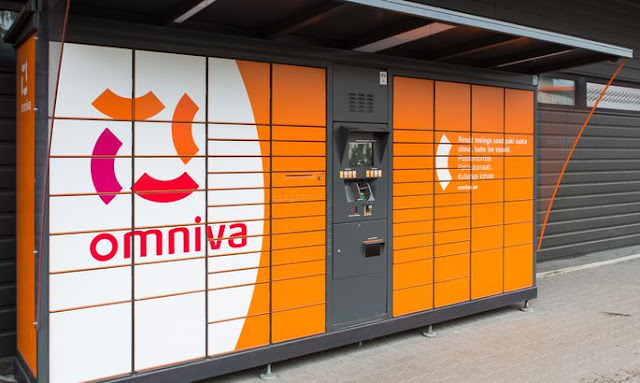
The revolutions that change the government tend to be noisy and bloody affairs, but the revolutions in technology and economics happen rather silently. This is because true technical revolutions happen when people start to take a new phenomenon as a normal everyday thing and don't even notice that they changed their behaviour. And one such thing is now happening in Estonia - the radical change in the last mile delivery. As an indicator, here is a list of changes that have happened in the last 5 years: There are now 3 parcel terminal networks operating in Estonia. Omniva, SmartPOST and DPD. Therefore there is competition and prices are driven down. Most E-shops are integrated with some or all of them. There are at least 5 online grocery supermarkets that offer home delivery: Selver, Coop, Fresh and Go, Barbora (the shop previously known as Maxima) and Prisma. One of the latest innovations is done by Coop, who offers grocery lockers that are refrigerated and to where you c...

Average salary and ease of doing business

Image
One of the main parameters of an economy is the average net salary and I have been following that on my blog for some months now. Here is my short post about the last comparison: http://www.pilveraal.ee/2018/06/euroopa-keskmise-palga-areng-2018.html As I work in a data and IT company Solita and am surrounded by data scientists, engineers and developers, then I cannot only settle with following the stats but want to find the reasons for some economies doing better than the others. As a first step, let's see if the countries Ease of doing business ranking is related to the average net salary or can predict the change of the salary. If there is a correlation then it gives a clear message that working with the things that are measured by the Ease of doing business index makes people richer. No political discussion needed just copy what countries on the top of the list are doing and you get rich. :-)  Underneath you will find the graphs for the EEA/EU countries on that, but...

Startupide ja IT arenduskeskuse mõjudest

Image
www.poliitika.guru on viimasel paaril nädalal tõstatanud teema startapidest ja nende mõjust Eesti majandusele. Argumente on toodud nii poolt kui vastu, aga tegelikult on selge, et startapid ja IT arenduskeskused üks parimaid viise ühiskonna jõukuse kasvatamiseks....ja seda me ju tahame. Seejuures on siiski üks teema, millele tahaksin tähelepanu juhtida.  Järjest laienev IT sektor tähendab seda, et IT tööjõuturul on suur nõudlus. See omakorda toob kaasa surve palkadele ja IT sektoris ongi palgad tõusnud viimastel aastatel keskmiselt 7-8% aastas. Loomulikult on seegi igati positiivne nähtus nii IT spetsialistide, riigi ja ka 3 euroste cappucinode müüjate seisukohalt, aga sellel on nüüd ka väike majanduslik miinus. Nimelt tähendab Põhja-Euroopa tasemele lähenev palgatase ka seda, et IT töö hind on läheneb sellele tasemele . See aga võib muuta väiksemad IT ja tehnoloogiaprojektid liiga kulukaks ja need jäävad tegemata. Eestis võiks tegelikult olla IT-d ja tehnoloogiat kasutusel ...